
Call Us Today!
Blog
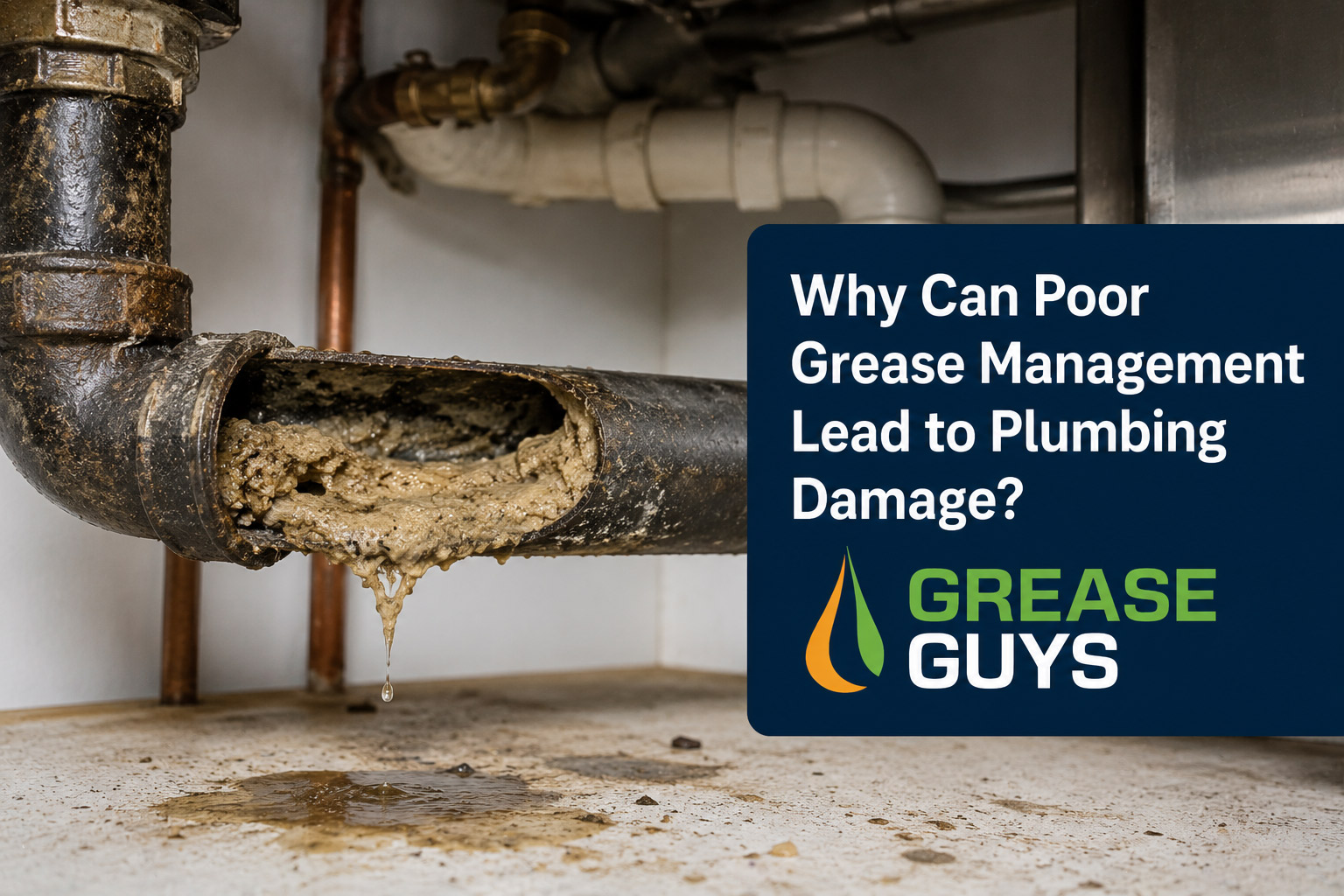
Why Can Poor Grease Management Lead to Plumbing Damage?
The Plumbing Problem Usually Starts Long Before the Backup
Most commercial kitchen plumbing problems do not happen suddenly. The clogged drain or wastewater backup that forces a restaurant to call for emergency service is usually the result of grease buildup that developed slowly over time.
At first, the system may still seem functional. Water drains a little slower, there may be occasional odors near sinks, or staff might notice minor gurgling sounds in floor drains. These early warning signs are easy to ignore during busy kitchen operations.
The problem is that fats, oils, and grease continue accumulating inside the plumbing system every day. Once grease starts coating the interior walls of pipes, wastewater flow becomes more restricted. Over time, the buildup thickens, drainage slows further, and pressure inside the plumbing system increases.
For restaurants and food service businesses in Washington, poor grease management is one of the most common causes of preventable plumbing damage. What begins as excess grease entering the system can eventually lead to pipe blockages, sewer line problems, equipment strain, and expensive repairs.
How Grease Damages Commercial Plumbing Systems
Grease behaves very differently inside plumbing than it does during cooking.
When hot oil or grease enters a sink drain, it may appear liquid at first. As it cools inside pipes, however, it begins hardening and sticking to pipe surfaces.
That buildup gradually changes how wastewater moves through the system.
Grease Narrows Pipe Openings
Each layer of grease inside a pipe reduces the amount of open space available for water flow.
At first, the reduction may be minor. Over weeks and months, though, grease combines with food particles, soap residue, and debris to form thicker obstructions.
Eventually, wastewater can no longer move efficiently through the plumbing system.
This often leads to:
Slow-draining sinks
Frequent drain clogs
Water backups
Overflow near floor drains
Increased pressure inside plumbing lines
In high-volume Washington kitchens, these issues can develop faster because grease enters the system continuously throughout the day.
Hardened Grease Creates Stubborn Blockages
Older grease buildup becomes more difficult to remove over time.
Unlike simple food clogs, hardened grease can coat long sections of pipe walls and create dense obstructions deep inside the drainage system. Standard drain clearing methods may not fully solve the issue once buildup becomes severe.
Restaurants sometimes assume the plumbing problem is fixed after clearing a temporary blockage, but the remaining grease inside the pipe often causes the issue to return.
Repeated buildup can eventually require:
Hydro jetting
Pipe descaling
Sewer line cleaning
Pipe repair
Pipe replacement
These repairs are usually far more expensive than routine grease management.
Poor Grease Trap Maintenance Can Affect Nearby Plumbing
Grease traps are designed to intercept fats, oils, and grease before they reach plumbing lines. When they are not cleaned properly or often enough, the entire system becomes less effective.
Overloaded Grease Traps Allow Grease Into Pipes
A grease trap can only hold a certain amount of waste before it reaches capacity.
Once overloaded, grease may bypass the trap and move directly into nearby plumbing lines. From there, buildup spreads further into the drainage system.
Restaurants in Washington that delay grease trap cleaning often experience recurring plumbing problems because grease is no longer being separated properly from wastewater.
Backup Pressure Can Damage Plumbing Components
Restricted drainage creates additional pressure inside the plumbing system.
As wastewater struggles to move through narrowed pipes, stress increases around joints, seals, and drainage connections. Over time, this pressure can contribute to leaks or pipe deterioration.
Minor plumbing weaknesses that might otherwise remain manageable can worsen much faster when grease buildup restricts normal flow.
Kitchen Habits Often Make Grease Problems Worse
Plumbing damage is not caused by grease traps alone. Day-to-day kitchen practices play a major role in how quickly grease buildup develops.
Pouring Oil Directly Into Drains
One of the biggest mistakes commercial kitchens make is disposing of oil through sinks or floor drains.
Even if the grease is hot and liquid initially, it cools rapidly inside the plumbing system. Once it hardens, it begins sticking to nearby surfaces.
Repeated disposal of oil through drains accelerates buildup significantly.
Poor Food Waste Disposal
Food scraps entering drains contribute heavily to grease-related blockages.
Grease combines with solid debris and creates thicker sludge that is harder to remove. Kitchens that do not properly scrape plates or use drain strainers often experience faster plumbing deterioration.
Inconsistent Staff Procedures
Grease management problems often become worse when kitchen procedures vary between employees or shifts.
If some staff members follow disposal protocols while others do not, grease buildup can continue unnoticed until larger plumbing issues appear.
Consistent kitchen practices help reduce long-term strain on commercial plumbing systems.
What Plumbing Damage From Grease Can Cost Businesses
Many restaurant owners underestimate how expensive grease-related plumbing problems can become once the issue spreads beyond the trap itself.
The actual grease trap service may be relatively manageable compared to the repair costs that follow neglected maintenance.
Common Repair Expenses
Poor grease management can lead to several types of plumbing-related costs.
Costs increase further when plumbing issues interrupt normal kitchen operations.
Business Interruption and Downtime
Severe plumbing backups can temporarily affect food preparation areas, dishwashing stations, and floor drains.
Restaurants may need to reduce operations or temporarily close while repairs are completed. For busy Washington food businesses, even short interruptions can result in lost revenue during peak hours.
Emergency repairs also tend to cost more because they often occur outside scheduled maintenance windows.
How Restaurants Can Reduce the Risk of Plumbing Damage
Grease management is usually most effective when it becomes part of routine kitchen operations rather than a response to emergencies.
Schedule Regular Grease Trap Cleaning
Routine grease trap cleaning helps remove accumulated fats, oils, and solids before they begin affecting nearby plumbing systems.
Regular maintenance also makes it easier to identify developing problems early.
Train Staff on Proper Disposal Practices
Kitchen staff should understand how grease affects plumbing systems and why disposal procedures matter.
Simple habits can make a significant difference, including:
Scraping food into trash bins
Avoiding oil disposal through sinks
Using drain strainers
Reporting slow drains early
Consistent procedures reduce grease accumulation over time.
Respond to Early Warning Signs Quickly
Minor drainage problems are often early indicators of larger grease buildup inside the system.
Restaurants should avoid ignoring:
Slow-draining sinks
Gurgling pipes
Grease odors
Recurring drain clogs
Water backups
Addressing these issues early is usually less expensive than waiting for severe plumbing damage to develop.
Frequently Asked Questions About Grease and Plumbing Damage
Can grease really damage plumbing pipes?
Yes. Grease buildup restricts water flow, increases pressure inside pipes, and contributes to blockages that can eventually damage plumbing systems.
Why does grease harden inside pipes?
Hot grease cools quickly after entering the plumbing system. As temperatures drop, the grease solidifies and sticks to pipe walls.
Can poor grease trap maintenance cause sewer line problems?
Yes. Overloaded grease traps may allow fats, oils, and grease to enter sewer lines, where buildup can spread deeper into the plumbing system.
What are early signs of grease-related plumbing issues?
Common warning signs include slow drains, foul odors, gurgling sounds, recurring clogs, and wastewater backups.
How can restaurants prevent grease-related plumbing damage?
Regular grease trap cleaning, proper oil disposal, staff training, and consistent kitchen maintenance all help reduce plumbing risks.
Conclusion
Poor grease management can slowly damage commercial plumbing systems long before major problems become visible. What starts as grease entering drains can eventually lead to clogged pipes, sewer line issues, wastewater backups, and expensive plumbing repairs.
For restaurants and commercial kitchens in Washington, staying proactive with grease management is often the best way to reduce long-term plumbing costs and avoid operational disruptions. Consistent maintenance and proper kitchen practices help keep drainage systems working more reliably over time.
Grease Guys works with food service businesses throughout Washington to help manage grease trap systems and reduce the risk of grease-related plumbing problems.

OUR SERVICES
TIPS & ARTICLE
GET IN TOUCH
Phone: (855) 227-6060
Email: [email protected]
Address: 3188 Road M.2 NE, Moses Lake, WA 98837
Business Hours:
Mon - Sun: Open 24 Hours
AREAS WE SERVE
© All Rights Reserved • Grease Guys, LLC | Terms of Use | Privacy Policy