Call Us Today!
Blog
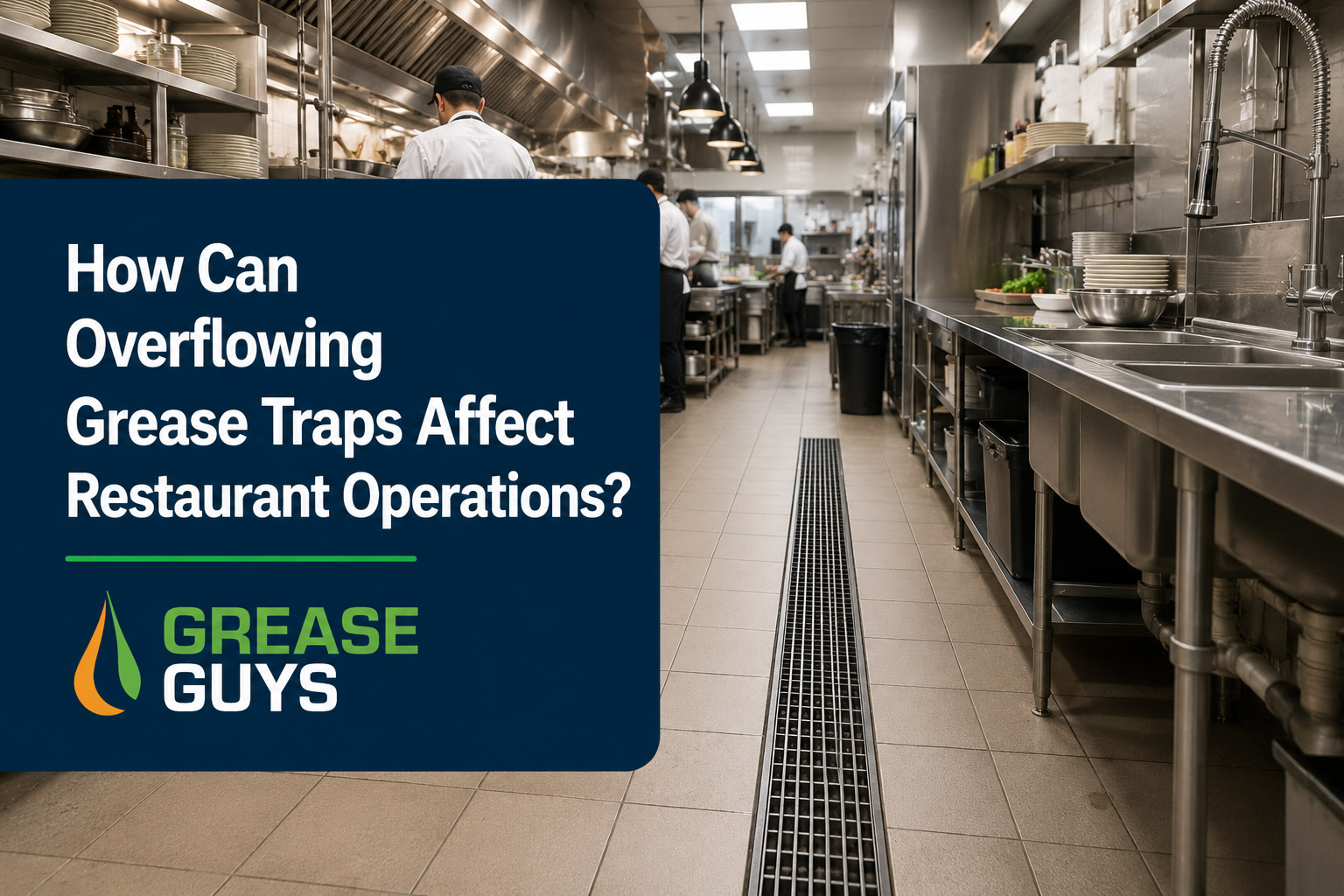
How Can Overflowing Grease Traps Affect Restaurant Operations?
A Grease Trap Problem Can Spread Through the Entire Kitchen Fast
An overflowing grease trap is rarely just a plumbing inconvenience. In a commercial kitchen, it can quickly affect multiple parts of daily operations at the same time.
The first sign might seem small. A floor drain backs up near the dishwashing station. Sinks begin draining slowly during lunch rush. Staff notice a strong odor near prep areas. Then suddenly, wastewater starts pooling where employees need to walk and work.
At that point, the issue is no longer isolated to the grease trap itself.
Overflowing grease traps can interfere with food preparation, sanitation, employee safety, drainage flow, and customer experience. In busy Washington restaurants, even a short disruption can create operational delays that affect the entire shift.
Many severe overflow situations develop gradually after grease buildup has already been accumulating for weeks or months. Understanding how these problems impact restaurant operations can help businesses recognize warning signs earlier and avoid more expensive interruptions later.
Kitchen Workflow Slows Down Quickly During Drainage Problems
Commercial kitchens depend heavily on continuous wastewater flow.
Dishwashing stations, prep sinks, floor drains, and cleaning areas all rely on functioning drainage systems to keep operations moving efficiently throughout the day.
Slow Drains Create Delays During Busy Hours
When grease traps become overloaded, wastewater begins draining more slowly through the system.
This can affect:
Dishwashing sinks
Food prep sinks
Mop sinks
Floor drains
Cleaning stations
Employees may need to wait for water levels to clear before continuing normal kitchen tasks. During busy service periods, these slowdowns create workflow interruptions that affect overall efficiency.
In high-volume Washington kitchens, even small drainage delays can become difficult to manage during peak operating hours.
Water Backups Interrupt Work Areas
As grease buildup worsens, wastewater may begin backing up into nearby drains or sink areas.
Standing water creates immediate operational problems because employees cannot safely or efficiently use affected stations. Some areas may need temporary shutdowns until the drainage issue is resolved.
The larger the overflow becomes, the more difficult it is for staff to continue normal kitchen operations.
Overflowing Grease Traps Create Sanitation Concerns
Restaurants must maintain clean and sanitary work environments at all times.
Grease trap overflow can quickly compromise those conditions.
Wastewater Near Food Preparation Areas
Overflowing drains may release contaminated wastewater near kitchen prep stations, storage areas, or employee walkways.
Once wastewater reaches operational areas, businesses may need to stop using affected sections of the kitchen until cleanup is completed properly.
This creates additional labor demands because staff must focus on sanitation and containment rather than food service operations.
Strong Odors Affect Kitchen Conditions
Overloaded grease traps often produce strong odors as grease and organic waste begin decomposing.
Persistent smells can spread throughout:
Prep areas
Dishwashing stations
Storage spaces
Hallways
Dining-adjacent sections
Even when the overflow itself seems manageable initially, odor problems can still affect the overall work environment significantly.
Employee Safety Risks Increase During Overflow Situations
Grease-related wastewater creates slippery conditions that increase workplace hazards inside the kitchen.
Slip Hazards Around Drains and Floors
Grease residue combined with standing water makes floors far more dangerous for employees moving quickly during service.
Slip risks increase around:
Floor drains
Dishwashing stations
Sink areas
Hallways
Kitchen entrances
Restaurants may need to slow operations temporarily while cleanup and containment are handled safely.
Crowded Work Areas Become Harder to Manage
When certain kitchen sections become unusable because of overflow or cleanup activity, employees may need to crowd into smaller operational spaces.
This creates additional stress during already busy shifts and can affect workflow efficiency across the kitchen.
Plumbing Problems Often Spread Beyond the Grease Trap
An overflowing grease trap usually indicates that grease buildup has already begun affecting the broader plumbing system.
Drain Lines May Already Be Restricted
By the time overflow occurs, grease may already be coating nearby plumbing lines heavily.
This buildup can lead to:
Frequent clogs
Gurgling drains
Recurring backups
Sewer line restrictions
Slower wastewater flow
Simply pumping the grease trap may not fully solve the issue if grease has already spread deeper into the drainage system.
Emergency Plumbing Service May Be Needed
Severe overflows sometimes require additional plumbing work beyond standard grease trap cleaning.
Restaurants may need services such as:
Emergency plumbing situations usually increase operational downtime and repair costs significantly.
Customer Experience Can Also Be Affected
Kitchen problems do not always stay hidden behind restaurant walls.
Odors and Overflow Can Reach Public Areas
Strong grease odors or visible drainage issues may eventually affect customer-facing sections of the business.
Even minor signs of sanitation problems can negatively affect customer perception.
Restaurants work hard to maintain clean environments, so visible overflow issues can quickly damage the overall dining experience.
Delayed Service Times
Kitchen slowdowns caused by drainage problems may affect order preparation speed during busy periods.
Customers may notice:
Longer wait times
Slower table turnover
Delayed food preparation
Limited menu availability in severe situations
Operational interruptions inside the kitchen often spread outward into customer service performance.
Why Some Restaurants Experience Overflow Problems More Often
Not every kitchen develops overflow issues at the same rate.
Several operational factors increase the likelihood of grease trap problems.
High-Grease Cooking Operations
Restaurants that fry foods constantly or generate large amounts of cooking oil usually place heavier stress on grease traps.
This includes:
Fast food kitchens
Fried chicken restaurants
Seafood restaurants
Buffets
Large commercial kitchens
Without proper maintenance, these systems fill much faster.
Delayed Grease Trap Cleaning
One of the most common causes of overflow is waiting too long between cleanings.
As grease accumulation increases, the trap loses its ability to separate fats, oils, and grease effectively.
Eventually, wastewater flow becomes restricted and overflow risks increase substantially.
Poor Kitchen Disposal Practices
Improper disposal habits accelerate grease buildup quickly.
Common issues include:
Pouring oil into drains
Allowing food scraps into sinks
Inconsistent scraping procedures
Poor staff training
These habits increase the amount of waste entering the system every day.
How Restaurants Can Reduce Overflow Risks
Preventing overflow problems usually requires consistent maintenance and operational awareness.
Maintain a Reliable Cleaning Schedule
Grease trap cleaning frequency should reflect actual kitchen activity levels.
Busy Washington restaurants may require more frequent service during high-volume seasons.
Watch for Early Warning Signs
Restaurants should respond quickly to:
Slow drains
Grease odors
Gurgling pipes
Minor backups
Standing water near drains
These issues often appear before larger overflow problems develop.
Improve Grease Disposal Procedures
Training staff on proper grease and food waste disposal can significantly reduce buildup inside the system.
Small operational improvements often help extend plumbing performance over time.
Frequently Asked Questions About Overflowing Grease Traps
What causes grease traps to overflow?
Overflow usually happens when grease buildup becomes excessive and wastewater can no longer move through the system properly.
Can overflowing grease traps shut down a kitchen?
In severe cases, yes. Wastewater backups and sanitation concerns may temporarily interrupt kitchen operations.
Do grease trap overflows damage plumbing systems?
They can. Overflow often indicates grease buildup has already begun affecting nearby plumbing lines and drainage flow.
What are early signs of grease trap overflow problems?
Slow drains, foul odors, gurgling pipes, and standing water near floor drains are common warning signs.
How can restaurants prevent grease trap overflows?
Routine cleaning, proper grease disposal, and early maintenance help reduce overflow risks significantly.
Conclusion
Overflowing grease traps can affect much more than a single drain inside a restaurant. Once wastewater flow becomes restricted, the problem can disrupt kitchen operations, sanitation, employee safety, and customer experience all at the same time.
For restaurants and commercial kitchens in Washington, staying proactive with grease trap maintenance is often the best way to reduce overflow risks and avoid larger operational interruptions. Consistent cleaning schedules and proper kitchen disposal practices help keep drainage systems functioning more reliably during busy service periods.
Grease Guys works with food service businesses throughout Washington to help manage grease trap systems before overflow problems begin affecting daily operations.

OUR SERVICES
TIPS & ARTICLE
GET IN TOUCH
Phone: (855) 227-6060
Email: [email protected]
Address: 3188 Road M.2 NE, Moses Lake, WA 98837
Business Hours:
Mon - Sun: Open 24 Hours
AREAS WE SERVE
© All Rights Reserved • Grease Guys, LLC | Terms of Use | Privacy Policy